Stuck between a Nolan Hill townhome and a detached house? You are not alone. With so many new builds and flexible layouts in this northwest Calgary community, it can be tough to match your budget, space needs, and lifestyle to the right property type. In this guide, you will see how townhomes and detached houses in Nolan Hill compare on space, fees, maintenance, commute, and long-term value so you can choose with confidence. Let’s dive in.
Nolan Hill at a glance
Nolan Hill is a master-planned neighbourhood in northwest Calgary with a growing population and many households with children. According to the City of Calgary community profile, the area has 8,755 residents in private households, an average household size of 3.3 people, and about 27% of residents are aged 0 to 14. You will also find a strong share of detached homes here, with about 73% single-detached and about 16% row or townhouses. Review the City’s snapshot for a quick data overview in the Nolan Hill community profile.
One local detail to know is the Nolan Hill Residents Association. The NHRA collects mandatory annual fees registered on title. The current schedule is $100 plus GST for single-family lots and $75 plus GST for multi-family units. This fee is separate from any condominium fees that may apply to a townhome. You can see what the RA covers on the Nolan Hill Residents Association fee page.
Space and layouts: townhomes vs houses
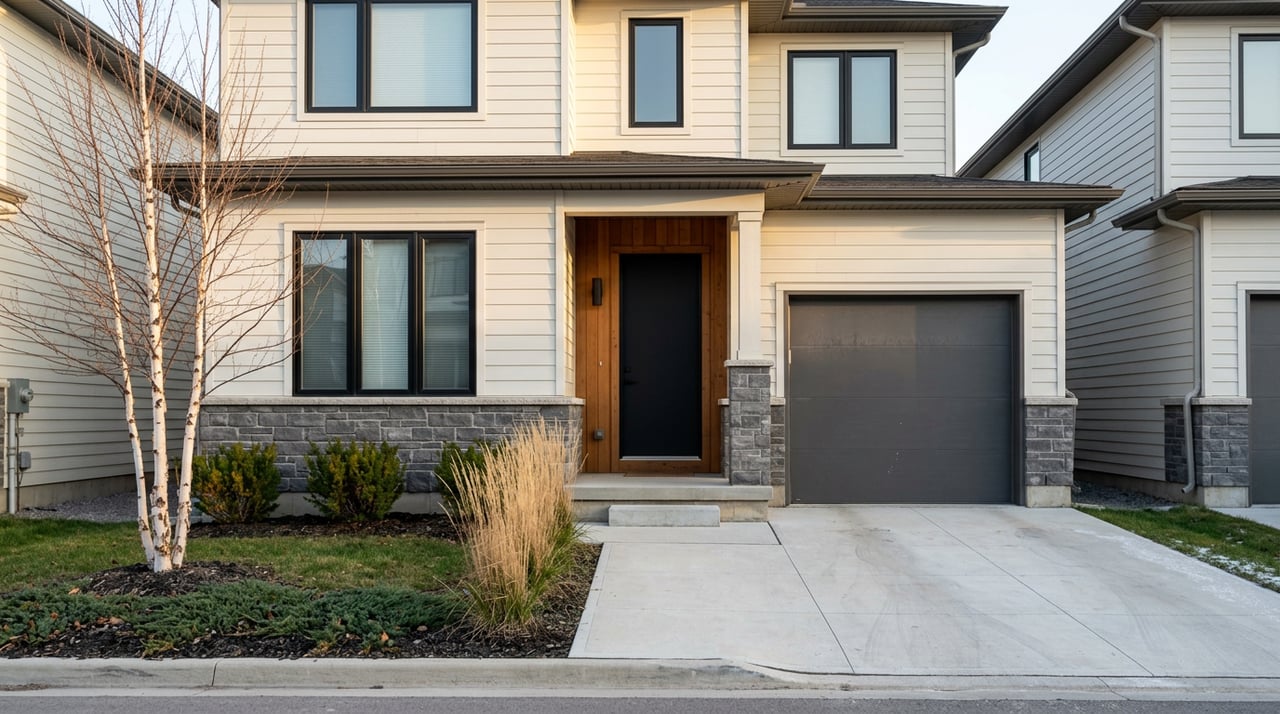
Townhomes in Nolan Hill typically offer efficient, family-friendly layouts. Most are two-storey plans, often with a finished or finish-ready basement. Finished living areas commonly fall between about 1,200 and 1,700 square feet, and three bedrooms are typical. Many units list 2.5 to 4 bathrooms when basements are developed.
Detached single-family homes in the community start larger. Main living areas often begin around 1,600 to 1,900 square feet and can extend to 2,200 square feet or more. Many detached properties also include fully developed basements, larger garages, and bigger yards. If you value extra bedrooms, a home office, or hobby space, a detached home usually delivers more flexibility.
Outdoor space is another key difference. Townhomes usually have smaller private yards or fenced patios, while detached homes commonly sit on lots around 3,000 to 5,300 square feet or more. If you picture pets roaming a lawn or you want room for future landscaping, detached ownership offers more options.
Quick takeaways
- Townhome: efficient footprint, 3 beds common, smaller yard, easier upkeep.
- Detached: more interior and exterior space, larger garages, greater flexibility.
Garages and parking: what to check
Parking set-ups vary across Nolan Hill’s townhome complexes. Some units provide a front-attached double garage, while others have rear detached double garages accessed by a lane. Some communities include rear parking pads or assigned stalls. If you tour a townhome, confirm the garage type, driveway length, visitor parking rules, and stall dimensions.
Detached homes usually feature larger garages and driveways, which can make daily parking and storage simpler. If you have multiple vehicles, seasonal gear, or workshop needs, focus on garage size, ceiling height, and available electrical service for tools or an EV charger.
Monthly costs and fees: how they compare
Budgeting for a townhome versus a detached home in Nolan Hill comes down to the blend of condo fees, RA fees, taxes, utilities, and maintenance.
- Townhomes: Many Nolan Hill townhome communities charge a monthly condominium fee, often in the range of about $250 to $400 per month. These fees commonly cover items like lawn care, snow removal, exterior or common-area maintenance, professional management, and contributions to the reserve fund. Exact coverage varies by building, so always confirm what is included. In addition, you will pay the annual Residents Association fee noted above. You will also have property taxes, utilities, and contents or unit insurance. Before you buy, plan to review the condo corporation’s budgets, insurance structure, and the reserve fund study. Alberta’s guidance explains the documents to expect and why they matter on the provincial condominium information page.
- Detached homes: You will not pay a monthly condo fee. However, you will likely face higher property taxes tied to a larger assessed value and lot, along with all exterior maintenance costs. Think lawn care, snow removal, roof and exterior repair, plus higher heating loads in a bigger home. You will also pay the Nolan Hill RA fee. Your home insurance will typically be higher because you insure the full structure and contents.
The key is not to assume a townhome is always cheaper each month. A predictable condo fee can be efficient, but a well-maintained detached home can be cost-effective over time. The smart move is to compare itemized estimates for both paths.
Price and value in context
At a city and district level, benchmarks confirm that row and townhomes tend to be more affordable than detached homes. CREB’s Spring 2025 report shows a citywide row or townhouse benchmark of about $453,600, and a North West district detached benchmark around $681,200, with North West row benchmarks around $457,900. You can see the broader trends in the CREB Spring 2025 market report.
What this means for you: if your priority is a lower purchase price or a smaller down payment, a townhome often provides the clearer entry point. If you plan to stay long term and value space and yard size, a detached home may justify the higher upfront cost.
Lifestyle fit: which choice suits you
A great choice matches your day-to-day routine, not just your budget. Use these prompts to decide where you will be happiest.
Choose a townhome if you want:
- Less exterior maintenance handled by a condo corporation.
- A predictable monthly fee that covers routine upkeep.
- A walkable layout with efficient space and modern finishes.
- A smaller private yard or patio that is easier to manage.
Choose a detached home if you want:
- More indoor space for growing households, hobbies, or a home office.
- A larger private yard for gardening, play, or pets.
- A bigger garage for vehicles, storage, and projects.
- Full control over exterior renovations and landscaping.
Commuting, shopping, and schools
Nolan Hill offers quick access to major routes in the northwest, including Stoney Trail and Symons Valley Parkway. Many residents report a typical downtown commute in the 25 to 30 minute range during normal traffic. For area details and community context, see the City’s Nolan Hill community page.
Everyday shopping is close by in neighbouring commercial hubs. The broader Symons Valley area includes multiple retail centers that serve Nolan Hill and nearby communities, which helps with daily errands and supports local housing demand.
On the education front, the Calgary Board of Education has included a new Nolan Hill Elementary in its capital plan. The project’s design was approved in March 2025, with timelines to follow. Families can track updates on the CBE Nolan Hill Elementary project page.
How Nolan Hill compares to nearby communities
If you are also looking in Sage Hill, Evanston, or Kincora, note the different housing mixes. Sage Hill has a lower share of detached homes and a higher share of row housing and apartments compared with Nolan Hill. Review the Sage Hill profile for details.
Evanston leans even more to detached homes, with about 76% single-detached. It is a larger, established area in Symons Valley. See the Evanston profile.
Kincora has historically shown a strong detached-home share and high owner occupancy, reflecting a primarily single-family market. For historical context, see the Kincora profile.
Comparing these profiles side by side can help you decide if you want a neighbourhood with more townhouse options, or one with a stronger detached-home focus.
Resale and long-term outlook
Citywide, townhouses remain a meaningful part of Calgary’s housing market. CREB notes that row homes account for a notable share of sales, and market tightness can vary by price range and district. In some segments, detached sellers may see tighter inventory, while townhome markets can have more supply. These patterns affect days on market and negotiation power. For current trends, check the CREB Spring 2025 market report and request a hyper-local update before you write an offer or list your home.
From a maintenance standpoint, plan beyond year one. In a condominium, the corporation manages common-area planning and reserve funding. Healthy reserves can help stabilize future fees, while underfunded reserves can lead to special assessments. In a detached home, you control maintenance timing and scope, but you also carry the full cost of roofs, exterior cladding, and landscaping. Build a 5 to 10 year outlook for either path so you understand the total cost of ownership.
A simple checklist to choose with confidence
Use this quick list while you tour homes:
- Space and layout: number of bedrooms, flex spaces, basement potential.
- Outdoor needs: yard size, sun exposure, fencing, pet needs.
- Parking: garage type, visitor parking, EV readiness, storage.
- Monthly costs: mortgage estimate, utilities, condo fee range, insurance.
- Annual costs: property tax estimate and the Nolan Hill RA fee.
- Condo buyers: review bylaws, budget, insurance, and the reserve fund study on the Alberta condo information page.
- Commute test: drive your route at your typical time.
- Amenities: proximity to shopping and recreation you will actually use.
- Long-term plan: renovation ideas, future room needs, or resale timeline.
Choosing between a townhome and a detached house in Nolan Hill comes down to how you live, not just what you can afford today. If you want low-effort upkeep and a predictable monthly fee, a townhome can be a great match. If you want space to spread out and a larger yard, a detached home will likely fit better. When you are ready to compare specific properties, lean on local advice and real numbers.
If you want a clear, side-by-side plan tailored to your budget and goals, reach out to The McKELVIE GROUP for neighbourhood-level guidance, on-the-ground touring tips, and a strategy that helps you move with confidence.
FAQs
What are typical condo fees for Nolan Hill townhomes?
- Many townhome communities show monthly fees in the range of about $250 to $400, typically covering items like lawn care, snow removal, common-area maintenance, management, and reserve contributions. Exact coverage varies by building.
Are there mandatory resident fees in Nolan Hill, and what do they cover?
- Yes. The Nolan Hill Residents Association charges an annual fee registered on title, currently $100 plus GST for single-family and $75 plus GST for multi-family. It supports entrance features and landscaping. See details on the NHRA fee page.
How much space do townhomes offer compared with detached houses in Nolan Hill?
- Townhomes commonly provide about 1,200 to 1,700 square feet across two storeys, often with finish-ready basements. Detached homes frequently start around 1,600 to 1,900 square feet and can exceed 2,200 square feet, with larger lots and garages.
How do condo responsibilities differ from detached ownership in Alberta?
- In a condominium, the corporation manages common elements, exterior maintenance defined in bylaws, and reserve planning. In a detached home, you handle all exterior maintenance and repairs. Learn more on the Alberta condominium information page.
What is the commute like from Nolan Hill to downtown Calgary?
- Nolan Hill is close to Stoney Trail and Symons Valley routes. Many residents report a typical downtown drive of about 25 to 30 minutes in normal traffic. The City’s Nolan Hill page provides community context.
What is the status of schools planned for Nolan Hill?
- The Calgary Board of Education has a Nolan Hill Elementary project in its capital plan, with design approved in March 2025. Timelines can evolve, so check the CBE project page for updates.